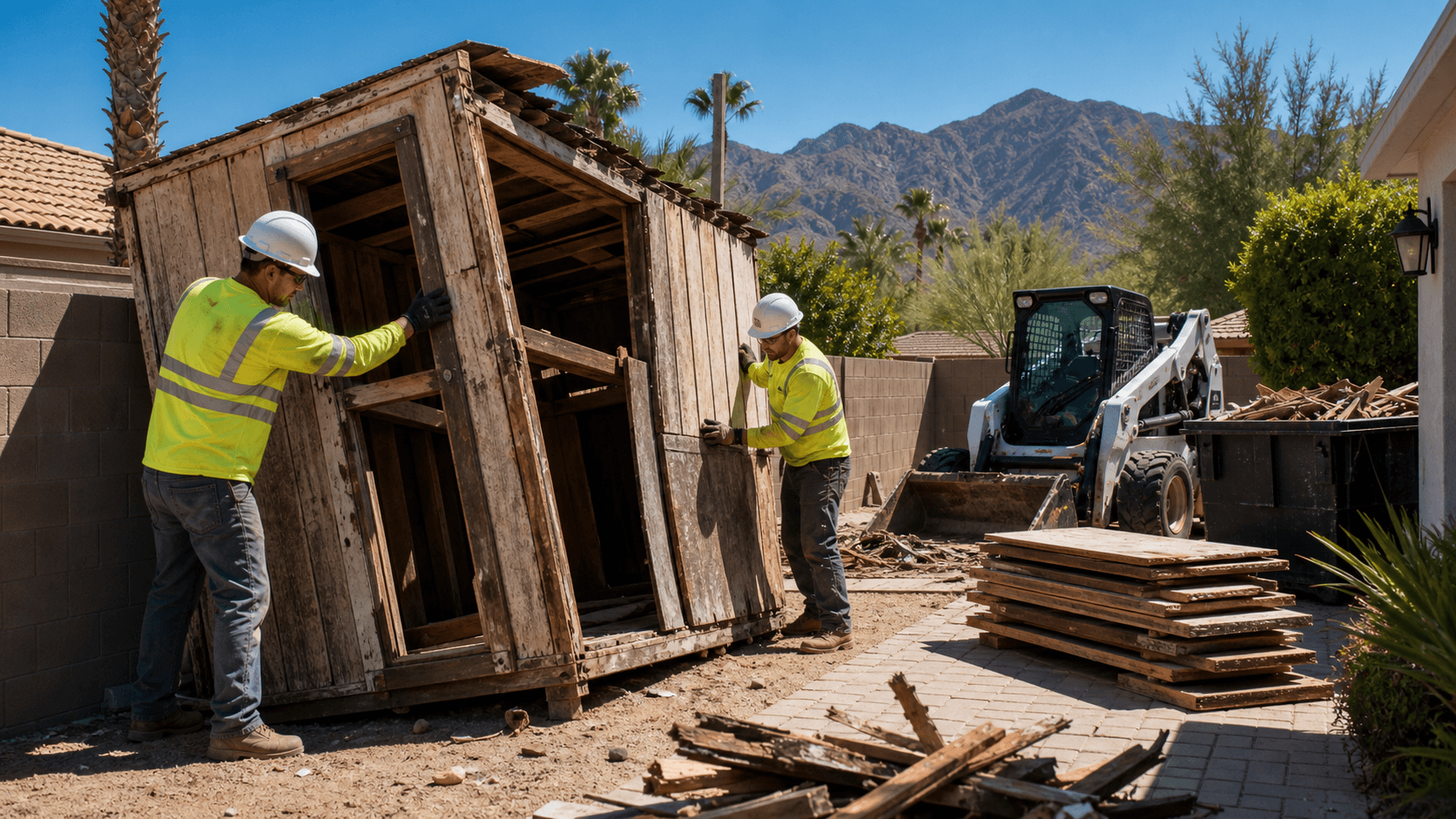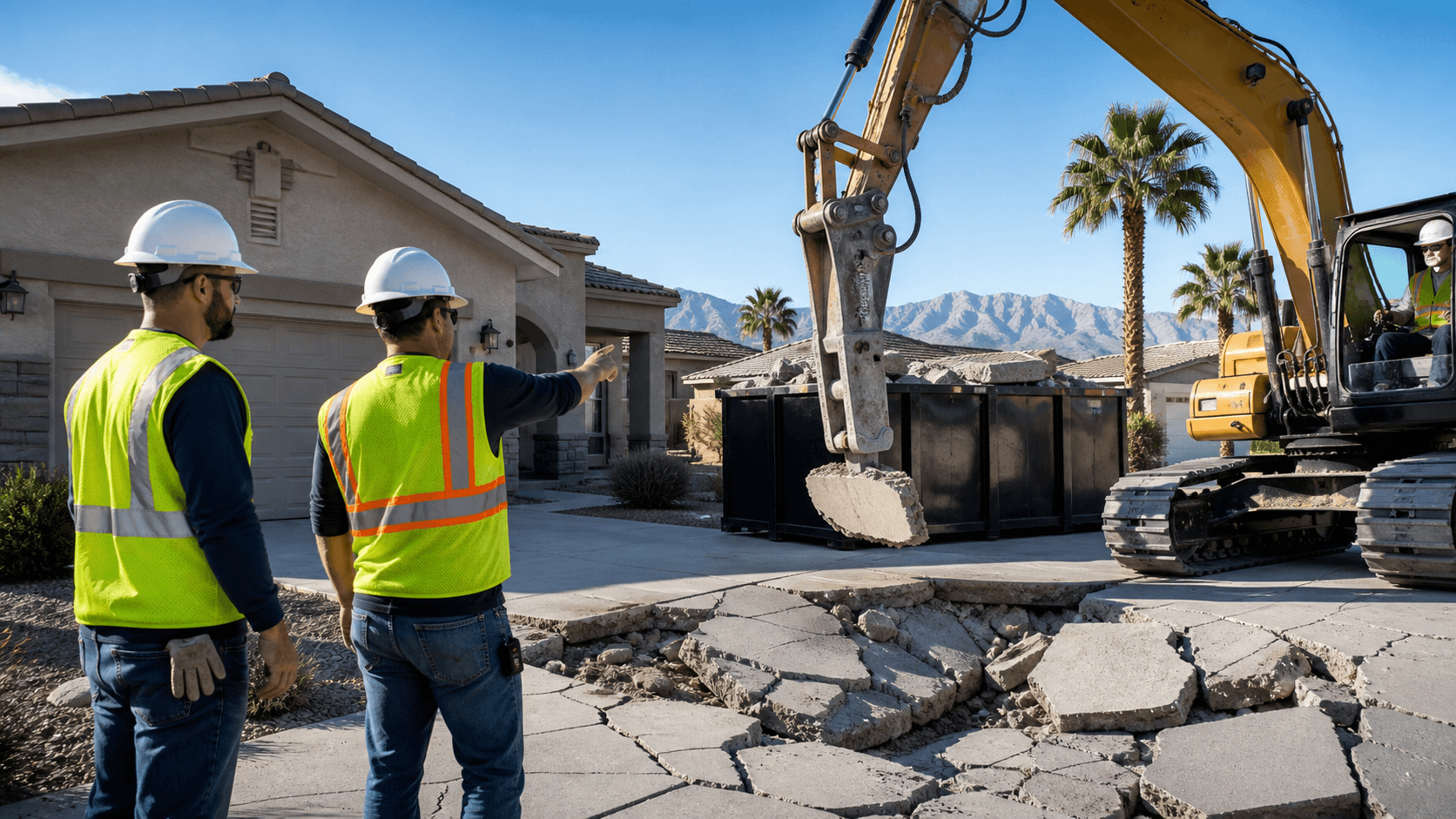
A remodel can get expensive fast when demolition starts before the right approvals are in place. Before a wall, floor, fixture, or concrete section comes out, we recommend confirming permits, utility needs, and site safety. A little planning upfront can help you avoid stop-work orders, added inspections, and a remodel schedule that suddenly goes sideways.
Requirements can change based on the size of the project and where the property sits. A small interior update may be handled very differently than removing a structural wall, renovating a commercial suite, tearing out concrete, or demolishing an entire building. At Vegas Demolition King, we help clients plan safe removal work, clear debris, and prepare sites throughout Las Vegas, Henderson, and North Las Vegas.
Know When Demolition Permits in Las Vegas Apply
Demolition permits in Las Vegas are often needed when work affects a building's structure, removes major systems, changes an approved layout, or takes down a large part of a structure. Load-bearing walls, foundations, slabs, major fixtures, and exterior building sections can all bring permit review into the conversation.
Interior soft demolition is not automatically permit-free. Removing cabinets, drywall, flooring, suspended ceilings, bathroom materials, or non-load-bearing partitions may still require approval if the work affects electrical, plumbing, mechanical, fire protection, accessibility, or hidden structural elements.
We encourage you to confirm the project requirements before crews are scheduled or new materials are ordered. The final decision comes from the agency that oversees your address, but early planning helps keep demolition and construction working toward the same goal.
Match the Permit to Your Property Jurisdiction
Your property address determines which local agency oversees the work. A project inside the City of Las Vegas may follow a different process than one in Henderson, North Las Vegas, or unincorporated Clark County. We recommend verifying the jurisdiction directly instead of relying on a neighbor's past permit experience.
Before speaking with the local building department, gather the details that help explain the job clearly:
- Property address and parcel information
- A simple description of what will be removed and what will stay
- Photos of the planned work areas
- Building age and known utility information
- Remodel plans for the construction work that follows
Commercial projects can require additional documents, such as tenant improvement plans, contractor information, or life-safety details. Demolition approval may also connect with building, electrical, plumbing, mechanical, grading, encroachment, or fire-related permits.
Our role is to help define the removal scope so everyone understands what needs to come out safely. Still, the property owner or general contractor should make sure the full remodel plan lines up with local requirements. That step can prevent a newly cleared space from sitting unused while the next phase waits for approval.
Build a Clear and Safer Permit Package
A strong permit package starts with a clear demolition scope. Reviewers and demolition crews need to know what is being removed, what will remain, and how nearby areas will be protected. Details matter, whether the project includes walls, ceilings, flooring, fixtures, exterior features, or concrete.
Clear plans also lead to better communication on the job site. When everyone understands the boundaries of the work, it is easier to protect areas that will stay in place and reduce surprises once removal begins.
Utility planning deserves the same attention. Before demolition, electricity, gas, water, sewer, communications lines, and other services may need to be shut off, capped, disconnected, or protected. We recommend coordinating this work with licensed trade professionals and the appropriate service providers.
A safe pre-demolition plan should also consider materials that need special handling. Older buildings or damaged areas can contain asbestos, lead-containing coatings, mold-affected materials, or other concerns. Testing and regulated handling may affect timing, disposal steps, and notifications, especially during larger renovations or full-building demolition.
Plan Your Fall Remodel Schedule Carefully
Early fall is a popular time to prepare homes, offices, retail spaces, and rental properties for holiday activity or year-end occupancy goals. That makes it smart to address demolition permits in Las Vegas before the project calendar becomes tight. Permit review, revisions, inspections, and utility coordination can all affect when work can begin.
Southern Nevada fall days may be more manageable than peak summer, but job sites still need planning for sun, wind, dust, debris containment, and occasional seasonal storms. Equipment access and dumpster placement should be considered before removal starts, not after a crew arrives.
A realistic schedule gives each part of the project room to happen in the right order:
- Permit review and any requested revisions
- Utility shutoffs, protection, or disconnection work
- Hazardous-material assessments when needed
- Demolition, hauling, and complete debris removal
- Inspections and preparation for the rebuild phase
Rushing demolition because a remodel deadline is close can create avoidable pressure. We find that a planned removal phase leaves a cleaner, safer space for framing, installations, finishes, or a full rebuild.
Turn Approval Into a Clean Remodel Start
Permit approval is not the last administrative box to check. It is the point where the demolition plan should come together in a practical way. Before work begins, confirm the approved scope, access needs, utility plan, safety measures, debris removal process, and protection for areas that will remain.
Once those details are settled, demolition can move forward with fewer surprises. A clean site, clear boundaries, and a coordinated plan give the next construction phase a better starting point and help keep the remodel focused on what comes next.
Keep Your Remodel Moving Forward
Vegas Demolition King can help you coordinate interior removal work with the requirements tied to demolition permits in Las Vegas. Our team works carefully to support a safer, more efficient transition into the remodeling phase. For project-specific guidance, contact us to discuss your plans.