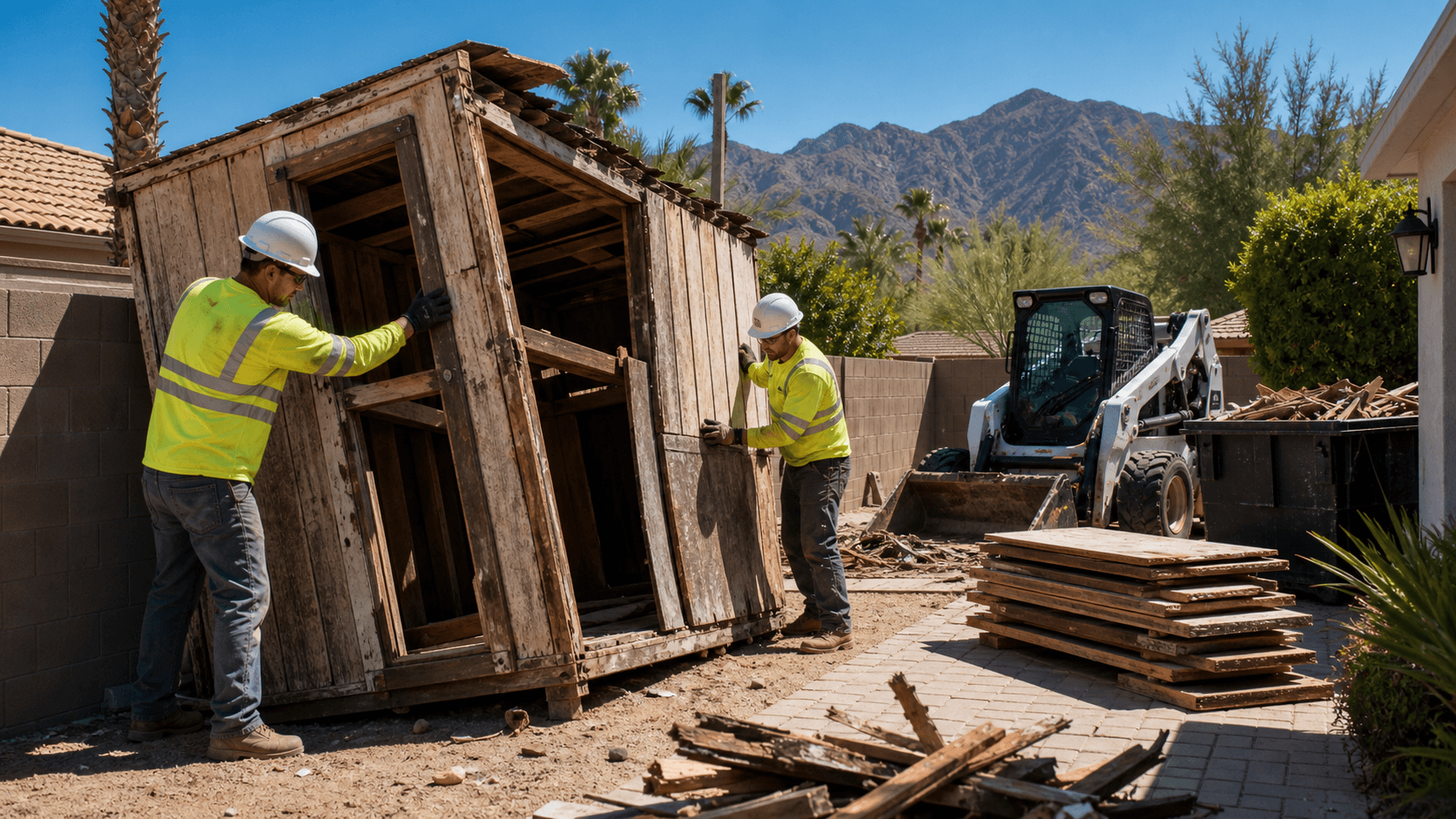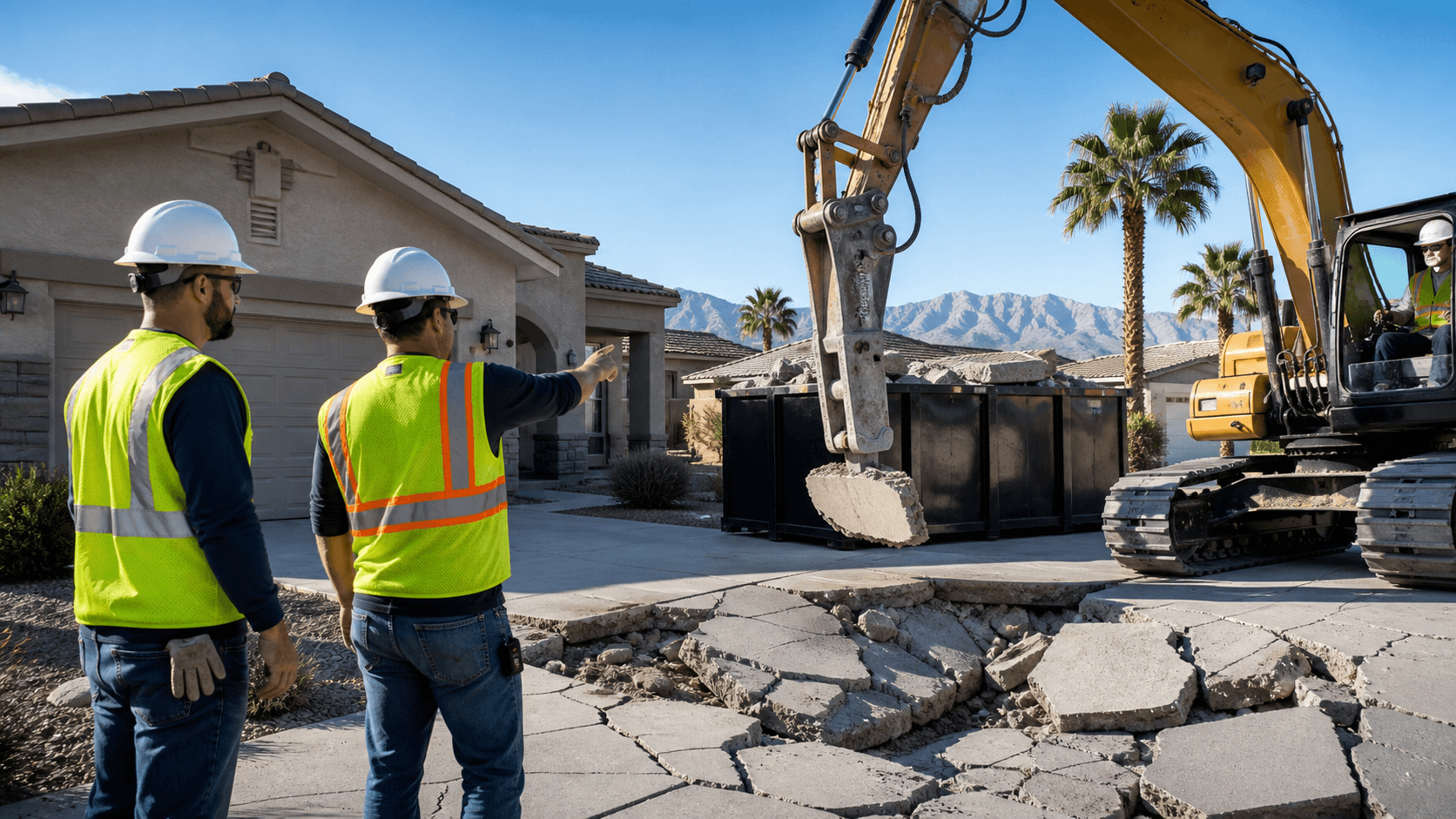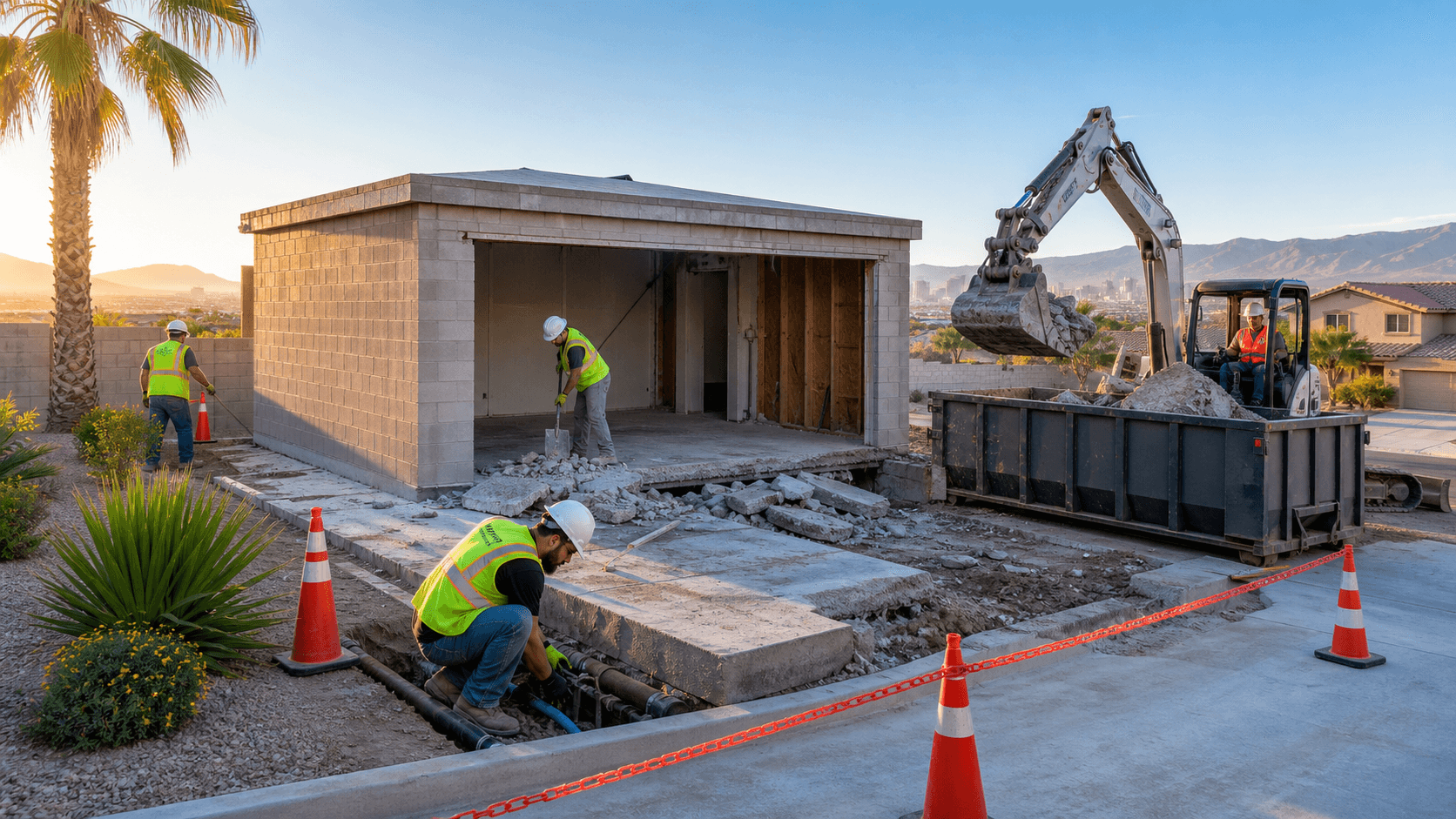
A garage rebuild can go off track before the first new wall is framed. If an aging, damaged, or too-small garage needs to come down, the removal work should leave your property clean, safe, and ready for what comes next.
We often see rebuild delays begin with small planning gaps, such as an overlooked utility line or a slab that was never included in the removal plan. A thoughtful garage demolition plan protects your timeline, helps prevent surprise work, and gives the next contractor a better place to begin.
Protect Your Rebuild Budget Before Demolition
Demolition is more than knocking down a structure and hauling away the remains. The condition of the garage, the slab beneath it, nearby improvements, and local requirements all affect how the work should be planned. When those details are addressed early, your rebuild team can work from a clearer plan.
Some of the most common mistakes we see include:
- Starting work before permits and approvals are confirmed
- Assuming all power, gas, water, or communication lines are inactive
- Underestimating the amount of debris stored inside and around the garage
- Skipping a close inspection of the structure, slab, and nearby property features
A clean removal makes a real difference once rebuilding begins. Contractors need room for equipment, accurate measurements, foundation preparation, and material deliveries. Loose debris, broken concrete, and hidden site issues can slow those steps down.
At Vegas Demolition King, we handle residential and commercial demolition, concrete removal, interior soft demolition, junk hauling, and site clearing. We serve Las Vegas, Henderson, and North Las Vegas with a focus on safe work, clear project scope, and responsible disposal.
Verify Permits, Zoning, and Utility Disconnects
Before setting a demolition date, we recommend confirming the rules that apply to your property. Requirements may differ between Las Vegas, Henderson, North Las Vegas, and unincorporated Clark County. Depending on the location and project, demolition permits, rebuilding permits, setbacks, lot coverage limits, and homeowner association approval may all need attention.
A detached garage can still have active connections, even when it has not been used much in recent years. Electrical wiring may serve exterior lights or outlets. Gas, water, sewer, irrigation, and communication lines may also run through or near the structure.
Professional verification helps prevent dangerous and expensive problems. A damaged utility line can stop work immediately and create a much larger repair issue. Permit questions that are left until later can lead to stop-work orders, fines, or redesigns that push your schedule back.
Fall is often a smart time to prepare a property for construction before next summer's intense sun and heat. If you want the new garage completed before then, gather approvals and utility information well ahead of the busy end-of-year construction season.
Document What Your Existing Garage Conceals
Older garages can hold more surprises than homeowners expect. Before removal begins, a full walkthrough gives us and your rebuild contractor a better understanding of what is behind walls, above ceilings, and beneath stored belongings.
During a pre-demolition review, we look for conditions such as:
- Damaged or outdated wiring, plumbing, and framing
- Storage lofts, old additions, and attached lean-tos
- Connections to patios, driveways, fences, gates, or retaining walls
- Signs of slab damage, poor drainage, or movement around the structure
- Materials or residues that may need special handling
Depending on the garage's age and past renovations, there may be asbestos-containing materials, lead-based paint, mold, or chemical residues. These conditions should be evaluated before demolition so workers, residents, and nearby neighbors are protected and the project does not stall after work has started.
Photos and measurements are helpful, too. We suggest documenting the garage footprint, door openings, slab condition, drainage paths, landscaping, and nearby structures before anything is removed. Those records can support accurate rebuild plans and help avoid disagreements if a driveway edge, gate, fence, or planting area is close to the work zone.
Plan Garage Demolition Around Fall Weather and Access
Fall brings more comfortable working conditions in Southern Nevada, which can make it a practical season for garage demolition and site preparation. Still, crews must plan for wind, dust control, and occasional rain that may affect access or timing.
Access is one of the biggest details to solve before equipment arrives. A demolition crew needs a safe route for machinery, trucks, and debris containers. Tight side yards, alley entrances, parked vehicles, low-hanging lines, narrow gates, and mature landscaping can change how the work is approached.
Clear the planned access route before the project starts, and let us know about property features that need extra care. This allows the removal plan to account for driveways, decorative walls, irrigation, gates, and other areas near the garage.
Calendar timing matters as well. Late October and early November can overlap with holiday plans, visiting family, and packed contractor schedules. Planning early gives you time to notify neighbors, reserve a workable date, and coordinate the rebuild so the property is not left exposed longer than necessary.
Choose Disposal Methods That Keep the Site Clean
Garage demolition is not finished when the building comes down. Every material must be sorted, loaded, transported, and disposed of properly. Concrete, metal, wood, roofing, drywall, appliances, and household clutter may each need different handling.
Garages also tend to become long-term storage spaces. Old furniture, tires, paint, tools, appliances, yard waste, and leftover building materials can limit access and create hazards for a crew. Combining junk hauling and site clearing with the demolition plan helps avoid a last-minute scramble once removal is underway.
The best post-demolition result is straightforward: debris is removed, concrete is handled according to the rebuild plan, loose materials are cleared, and the work area is ready for surveying, grading, foundation work, or new construction. Clear communication about what is included helps everyone understand where the demolition scope ends and rebuilding begins.
Start Your Rebuild with a Clear, Safer Site
A successful garage demolition begins with inspection, approvals, utility checks, access planning, and a realistic disposal plan. Each step protects the property and gives the rebuild contractor a better starting point.
Before committing to a demolition date or construction schedule, arrange a professional site evaluation. A clear plan for the structure, slab, debris, drainage, and access can help keep the rebuild moving forward with fewer interruptions.
Keep Your Rebuild Ready For What Comes Next
Vegas Demolition King provides garage demolition services that account for the details that can affect the next phase of your project. Our team can help coordinate a clean, efficient removal process suited to your property's needs. To discuss your project requirements, contact us today.